


Data vs Intelligence in Sales: Closing More Deals
The difference between data and intelligence in sales lies in utility. Data is raw, unorganized information—like a list of leads. Intelligence is the result of processing that data to provide context, relevance, and actionable insights, telling your sales team which opportunities to prioritize and how to engage them effectively.
What is the difference between data and intelligence?
To understand the fundamental shift happening in modern sales departments, one must first distinguish between the ingredients and the final dish. In this analogy, data represents the raw ingredients—the flour, the eggs, and the sugar. While these items are essential, they do not satisfy hunger until they are combined, baked, and presented as a meal. In the corporate world, data is the collection of facts, figures, and statistics that exist within your CRM. It might include a prospect's name, their job title, their company's annual revenue, or their geographic location. This information is static; it simply exists.
Intelligence, specifically commercial intelligence , is the result of taking those raw data points and applying analysis to them. It is the "baked" version of your information. Intelligence provides the "so what?" behind the data. For example, knowing that a company has 500 employees is data. Intelligence is knowing that the company just hired a new CTO who has a history of implementing AI-driven sales tools. Intelligence tells you that this company is not just a name on a list, but a high-probability opportunity that requires immediate engagement.
When we look at Data vs Intelligence in Sales , we are looking at the evolution of how teams work. Data asks who and where , while intelligence answers why , when , and how . In a market as competitive as South Africa, relying solely on raw data leaves your team shouting into a void of noise. Intelligence allows you to speak directly to a need that the prospect may not even have fully articulated yet.
The Problem with Having Too Much Data
We live in an era of information abundance, but for many sales teams, this is a double-edged sword. Most organizations are currently drowning in data while simultaneously starving for insights. The sheer volume of information available via social media, public records, and internal logs can create a state of "analysis paralysis." When a sales representative is presented with a spreadsheet of 5,000 "potential leads," they are often left to their own devices to figure out where to start.
This leads to several systemic issues:
- Wasted Time: Reps spend hours researching companies that have no current intent to buy.
- Burnout: The repetitive nature of cold-calling low-quality data points leads to high staff turnover.
- Missing Context: Without intelligence, every call sounds the same, making it impossible to stand out.
- Decision Fatigue: Managers struggle to forecast revenue because the pipeline is inflated with "data" that isn't actually moving.
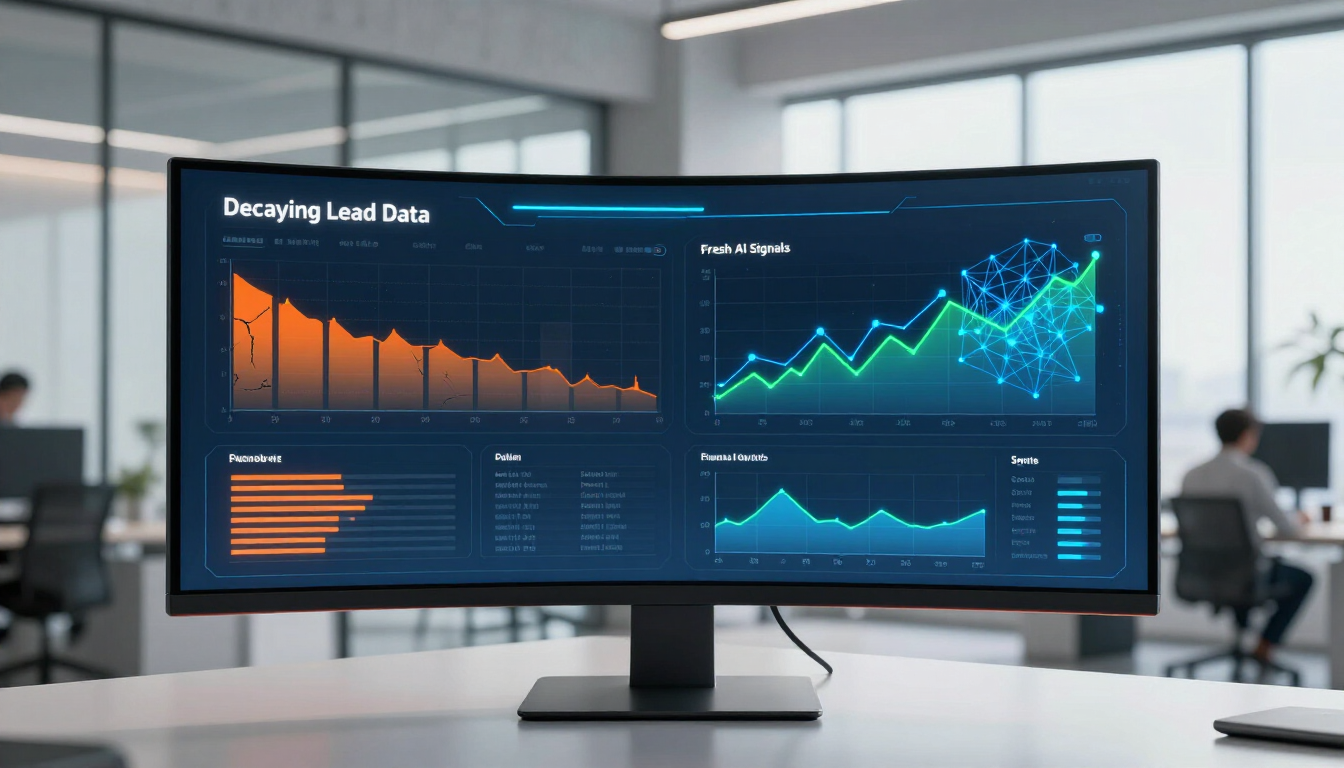
At AXO Signal , we believe that the goal should never be more data, but rather better signals. Raw data is often messy, outdated, and incomplete. By the time a rep gets through a list, the information might already be irrelevant. This is why a Commercial Intelligence Operating System is no longer a luxury—it is a survival mechanism for modern B2B organizations.
Can raw data hinder your sales performance?
It may seem counterintuitive to suggest that more information could hurt your bottom line, but raw data without a filter is essentially noise. When your team is focused on quantity over quality, the entire sales cycle suffers. Raw data tends to be transactional. It focuses on the sale as a point in time rather than a relationship built on value. If your sales team is treating every lead the same way because the data doesn't differentiate them, they are likely missing the nuances that close big deals.
Furthermore, raw data often lacks the "Qualification" layer. A company might look like a great fit on paper based on their industry and size, but intelligence might reveal they recently signed a multi-year contract with your biggest competitor. Without that intelligence, your rep spends a week trying to get a meeting that was never going to happen. This friction in the sales process is the direct result of a data-heavy, intelligence-light strategy.
How does commercial intelligence qualify business opportunities?
Qualification is the bridge between a prospect and a partner. Commercial intelligence automates this process by looking for "signals" that indicate readiness. These signals go beyond the basic firmographics found in standard databases. They include:
- Intent Signals: Is the company actively searching for solutions like yours?
- Technographic Shifts: Are they adopting new technologies that complement your service?
- Expansion Triggers: Have they recently opened new offices or received funding?
- Key Personnel Changes: Who is the new decision-maker, and what are their priorities?
- Risk Factors: Are there financial or legal signals that suggest they might not be a stable partner?
By layering these signals over raw data, intelligence tools create a prioritized list of high-value targets. Instead of a sales rep asking, "Who should I call today?", the system tells them, "Call these five people because they are currently experiencing a pain point you can solve." This level of qualification ensures that your team is always working on the most lucrative opportunities at the right time. To see how these systems work in practice, you can explore our ecosystem of tools designed to turn data into profit.
Bridging the Gap: Moving from Info to Action
Understanding the theory of Data vs Intelligence in Sales is one thing; implementing it is another. To bridge the gap, your organization needs to move toward workflow automation. This means that intelligence shouldn't just be something a rep looks up; it should be integrated into their daily routine.
When intelligence is delivered directly into the workflow, it triggers actions. For example, if a high-value prospect publishes a report on sustainable energy, your intelligence system should flag this to the relevant account manager and suggest a personalized outreach message. This moves the sales process from a reactive state to a proactive one. You are no longer waiting for the phone to ring; you are engaging prospects at the exact moment your expertise becomes relevant to their current business challenges.
Why does intelligence matter for your sales team?
Ultimately, intelligence is about empowerment. A sales team armed with intelligence is a team that feels confident. They know why they are calling, they know what to say, and they know that their time is being used efficiently. This has a massive impact on the cultural health of a sales department. When reps see that their efforts are resulting in meaningful conversations and closed deals, their motivation skyrockets.
Beyond morale, intelligence matters for your ROI. By focusing on qualified business opportunities, you reduce the cost of acquisition. You are no longer spending thousands of Rands on broad-spectrum marketing and cold outreach to a cold audience. Instead, you are investing in precision-guided sales efforts. In the South African market, where relationship-building and trust are paramount, intelligence provides the context needed to build those relationships faster.
Consider these benefits of an intelligence-first approach:
- Shorter Sales Cycles: Engaging leads that are ready to buy reduces the time spent in the "consideration" phase.
- Higher Win Rates: Personalization based on intelligence makes your pitch more compelling.
- Better Resource Allocation: Managers can assign their best closers to the highest-scoring intelligence leads.
- Predictable Growth: Intelligence allows for more accurate forecasting based on real-time market signals.
- Competitive Advantage: Being the first to reach out when a signal appears gives you the "first-mover" advantage.
For more insights on how to optimize your sales strategy, check out our latest articles on the blog .
Future-Proofing Your Sales Process
As AI continues to evolve, the gap between data and intelligence will only widen. Companies that continue to rely on manual data entry and basic lead lists will find themselves outpaced by those using a Commercial Intelligence Operating System. The future of sales is not about who has the biggest database, but who can interpret that data the fastest and act on it with the most precision.
Intelligence is dynamic. It updates in real-time as the market shifts. It allows your sales team to be agile, pivoting their strategy as new signals emerge. Whether you are a small startup or a large enterprise in South Africa, the transition to an intelligence-led model is the most significant step you can take toward sustainable growth.
Summary: Data vs Intelligence in Sales
In conclusion, while data provides the foundation for your sales efforts, only intelligence provides the direction. Raw data tells you who a prospect is, but commercial intelligence tells you why they need you now. By moving away from data-heavy workflows and adopting a signal-based intelligence approach, sales teams can significantly improve their qualification process, engage better business opportunities, and ultimately close more deals.
Key Takeaways:
- Data is raw and static; intelligence is analyzed and actionable.
- Over-reliance on data causes analysis paralysis and wastes valuable sales time.
- Commercial intelligence signals (hiring, funding, technographics) allow for precision qualification.
- Workflow automation ensures intelligence is acted upon immediately.
- Intelligence-led teams see higher win rates and shorter sales cycles.
If you're ready to transform your sales process and start qualifying opportunities with AI-driven signals, contact us today or learn how to become a partner in our growing network.