

How to Target Businesses Before They Start Hiring (2026)
Targeting businesses before they start hiring involves using commercial intelligence to identify signals—such as funding rounds, new leadership, or market expansion—that indicate a future need for talent. By engaging prospects during the planning phase, recruitment agencies bypass competition and secure 'hidden' vacancies before they reach job boards.
In the modern recruitment landscape, the traditional model of reacting to job postings is increasingly inefficient. When a job hits LinkedIn or a public board, the race is already crowded, margins are squeezed, and the client is often overwhelmed by dozens of competing agencies. To truly dominate the market, savvy recruitment leaders are shifting toward proactive recruitment strategies . This shift is not just about working harder; it is about working smarter by leveraging data to see what others cannot. By the time a company realizes they have a talent gap, a strategic partner should already be in their inbox, offering a solution before the problem even goes public.
Why is targeting businesses before they start hiring the key to 2026 growth?
As we move further into 2026, the recruitment industry has become hyper-saturated. The barrier to entry for starting an agency is lower than ever, leading to a flood of recruiters chasing the same active job orders. This "red ocean" makes it difficult to maintain premium fees and build long-term advisory relationships. Targeting businesses before they start hiring allows you to enter the "blue ocean" where competition is minimal and your value proposition is heard clearly.
When you approach a business that hasn't yet posted a vacancy, you aren't just another resume provider; you are a strategic consultant. This early-stage engagement builds a foundation of trust. It allows you to understand the organizational challenges and the "why" behind the future hire. Agencies that master this approach often find themselves as the exclusive partner for the role, removing the need to compete on speed alone. Furthermore, this method allows for better talent mapping. You can begin identifying potential candidates weeks before the official search starts, ensuring a faster time-to-fill when the button is finally pressed.
How do you identify hidden hiring signals using AI?
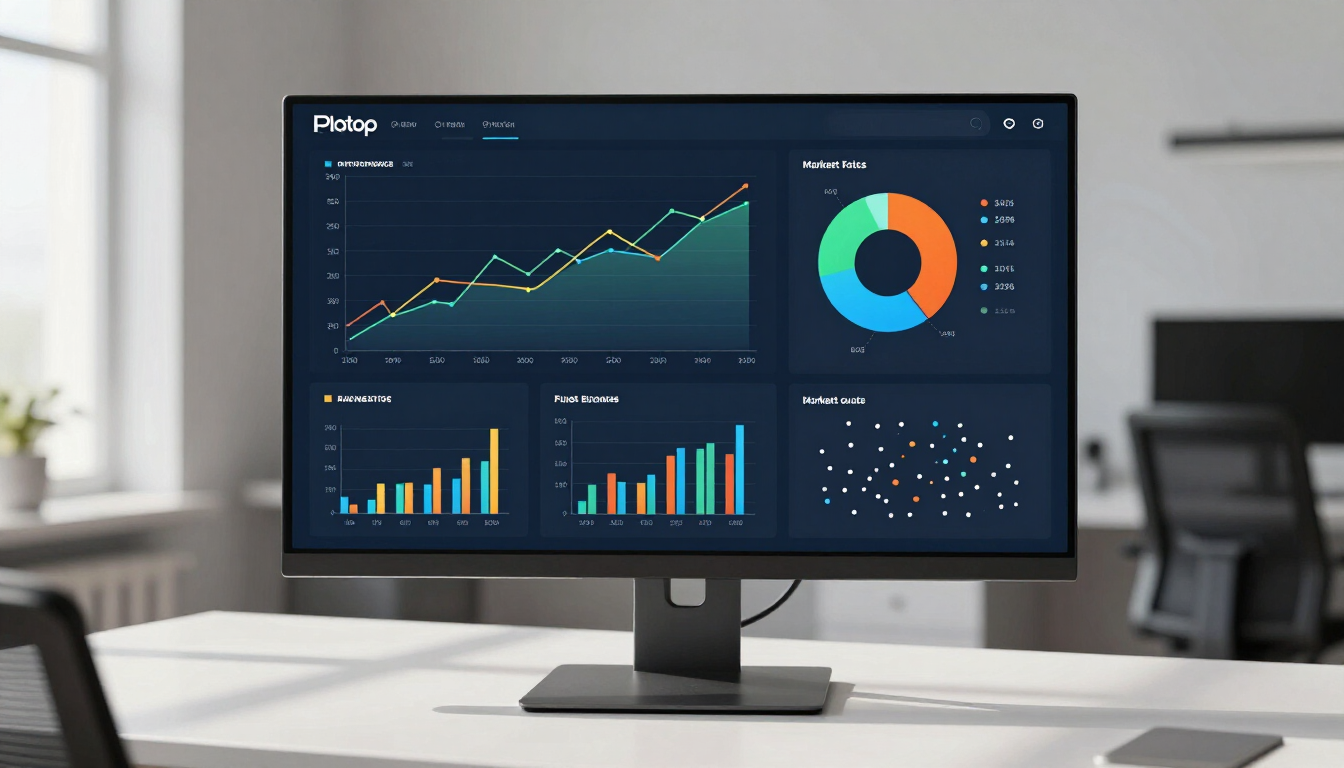
Identifying the right time to reach out requires more than just luck. In the past, this meant keeping an eye on the local news or waiting for word-of-mouth referrals. Today, AI-driven commercial intelligence tools analyze vast amounts of data to surface "hiring intent" signals. These signals are breadcrumbs left by businesses that suggest a growth phase is imminent. By monitoring these triggers, recruitment agencies can predict which companies will need to expand their headcount within the next three to six months.
To effectively use AI in your business development, consider these data points:
- Recent capital injections or Series A/B/C funding rounds.
- Changes in C-suite leadership or key departmental heads.
- Expansion into new geographic territories or international markets.
- Significant increases in technology spend or software adoption.
- Publicly stated ESG or digital transformation goals.
By synthesizing these data points, recruitment teams can build a high-probability prospect list. Instead of cold-calling every business in a specific sector, they focus their energy on the few that are statistically likely to hire soon. This precision not only improves conversion rates but also boosts the morale of the sales team, as they are dealing with warmer, more relevant leads. You can explore how these data sets integrate by visiting our Ecosystem page.
Strategic Indicators of Imminent Recruitment Needs
While AI provides the data, the human recruiter must interpret the context. Certain events are almost always precursors to a recruitment drive. Understanding these strategic indicators allows you to tailor your pitch to the specific pain points the client is currently facing. For example, if a company has just appointed a new Chief Technology Officer (CTO), it is highly probable that the new leader will want to audit the existing team and bring in fresh talent to execute their new vision.
Another major indicator is market expansion. When a South African firm decides to open a satellite office in Europe or North America, they need more than just office space. They need local compliance experts, sales teams, and operational staff. By reaching out to the expansion lead at the moment the announcement is made, you position yourself as the partner who can facilitate that transition. This is the essence of targeting businesses before they start hiring —solving the problem before it becomes a crisis.
Recruiters should also pay attention to product launches. A new product line requires a dedicated sales force, customer support, and often specialized technical talent. Monitoring patent filings or beta test announcements can give you a six-month head start on your competitors. By tracking these developments on our Blog , you can stay ahead of the curve in various industry sectors.
What role does commercial intelligence play in recruitment sales?
Commercial intelligence (CI) is the backbone of modern business development. It transforms raw data into actionable insights, allowing recruiters to qualify leads based on actual business needs rather than superficial criteria. In the context of recruitment, CI helps you understand the health of a prospect's business, their competitive positioning, and their likely future trajectory. This depth of knowledge is what separates a "recruiter" from a "talent consultant."
Using commercial intelligence, you can avoid the "spray and pray" method of outreach. Instead, you can craft a narrative that resonates with the prospect's current situation. If a company is losing market share to a competitor, your CI tools will highlight this. Your outreach can then focus on how you can source the specific high-impact talent needed to reclaim that market share. This level of relevance is impossible to achieve without a robust intelligence platform.
Key benefits of CI for recruitment include:
- Accurate identification of decision-makers and their reporting lines.
- Deep understanding of the prospect's industry challenges and trends.
- Real-time alerts on significant corporate events and news.
- Ability to benchmark a prospect's current team against competitors.
- Improved forecasting of seasonal hiring trends within specific niches.
Mastering the Art of the Pre-Hiring Outreach
Once you have identified a company that is likely to hire, the way you reach out is critical. Because they don't have an active job opening yet, a standard pitch will likely be ignored. The goal of pre-hiring outreach is to start a conversation, not to ask for a job order immediately. You are providing value and establishing your expertise so that when the hiring need becomes official, you are the first person they call.
Effective outreach strategies for pre-hiring include:
- Sharing a curated talent map of their industry competitors.
- Providing a brief report on salary trends for their specific region.
- Offering an introductory consultation on upcoming labor law changes.
- Inviting them to a webinar featuring an industry-leading expert.
- Connecting them with a non-competing peer who recently solved a similar growth challenge.
By leading with value, you lower the prospect's defenses. You aren't asking them for money; you are offering them insights that will help their business grow. This builds a rapport that is far more resilient than the transactional relationship formed during a frantic hiring process. Over time, these prospects will see you as a trusted advisor who understands their business goals, making it much easier to secure exclusive terms later on.
How can AXO Signal automate your agency's pipeline?
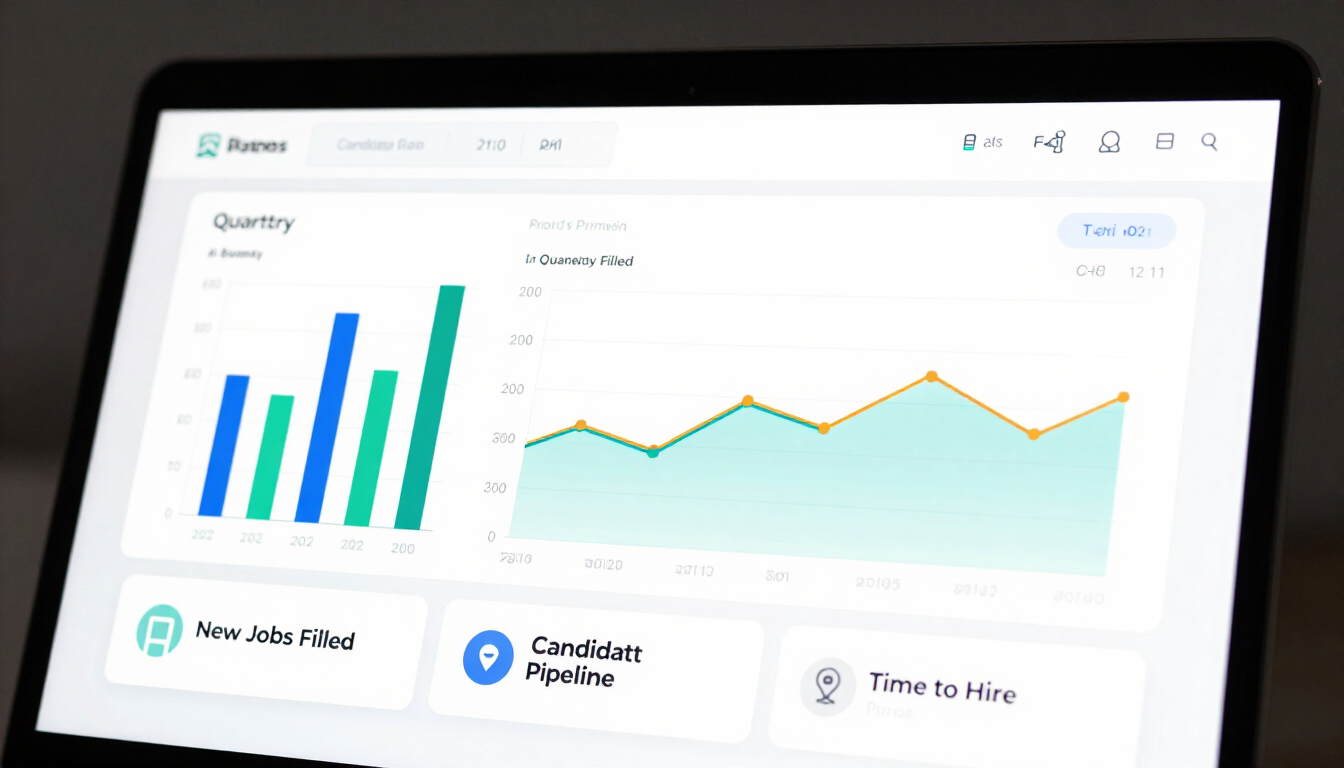
AXO Signal is designed to be the engine behind your proactive recruitment strategy. As a Commercial Intelligence Operating System, it automates the discovery and qualification of business opportunities. Instead of your consultants spending hours manually scouring LinkedIn or news sites, AXO Signal does the heavy lifting, delivering high-intent leads directly to your workflow. This allows your team to spend more time engaging with people and less time digging through data.
Our platform uses AI to filter out the noise and focus on the signals that actually matter for recruitment agencies. Whether it's a sudden surge in a company's tech stack requirements or a series of strategic executive hires, AXO Signal alerts you instantly. This speed-to-insight is a massive competitive advantage, ensuring you are always the first to know about a potential opportunity. To see how our platform can transform your agency, Contact us for a tailored demonstration or learn about how to Become a Partner with AXO Signal.
Summary: The Proactive Agency Advantage
To win more clients in 2026, recruitment agencies must move away from reactive sales and embrace a data-driven, proactive approach. By targeting businesses before they start hiring, you position yourself as a strategic partner rather than a simple vendor. This strategy relies on identifying key growth signals through commercial intelligence and engaging prospects with high-value, relevant outreach long before a job description is even written.
- Target hidden opportunities by monitoring growth signals like funding and leadership changes.
- Use AI-driven commercial intelligence to qualify leads and predict future hiring intent.
- Lead with value in your outreach to build trust and authority before a vacancy exists.
- Automate your discovery process to ensure your team is always first to the opportunity.
- Secure exclusive partnerships by becoming a long-term strategic advisor to your clients.
If you are ready to stop chasing job boards and start owning your market, it is time to integrate commercial intelligence into your daily operations. Visit our Home page to learn how AXO Signal can help you discover, qualify, and engage better business opportunities today.